Thomas Friedman Interview on BBC Radio 3

On a recent episode of the always-interesting BBC Radio 3 Arts & Ideas Podcast, Philip Dodd spoke with Thomas Friedman about his new book “That Used to Be Us: How America Fell Behind in the World It Invented and How We Can Come Back“. While I don’t usually agree with Friedman, I did find this interview interesting–Dodd challenges Friedman and engages him in constructive argument with guests Gideon Rachman and Anatole Lieven. Worth a listen for folks interested in current affairs, globalization, economics, education, and big ideas.

Listen here or download the MP3:


>> Hear more & subscribe for free: BBC Arts & Ideas

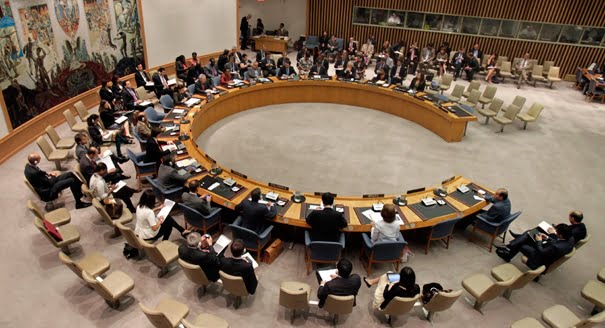
Fouad Ajami on the U.N. and a Palestinian State

Fouad Ajami wrote the opinion piece below for the Wall Street Journal back in June. It’s still timely a couple months later as Palestine seeks a declaration of statehood from the United Nations this week. While it’s high time that the Palestinian people join the international community and adopt the responsibilities of statehood, Ajami makes a crucial point that achieving statehood takes much more than declarations.

>> Link: The U.N. Can’t Deliver a Palestinian State

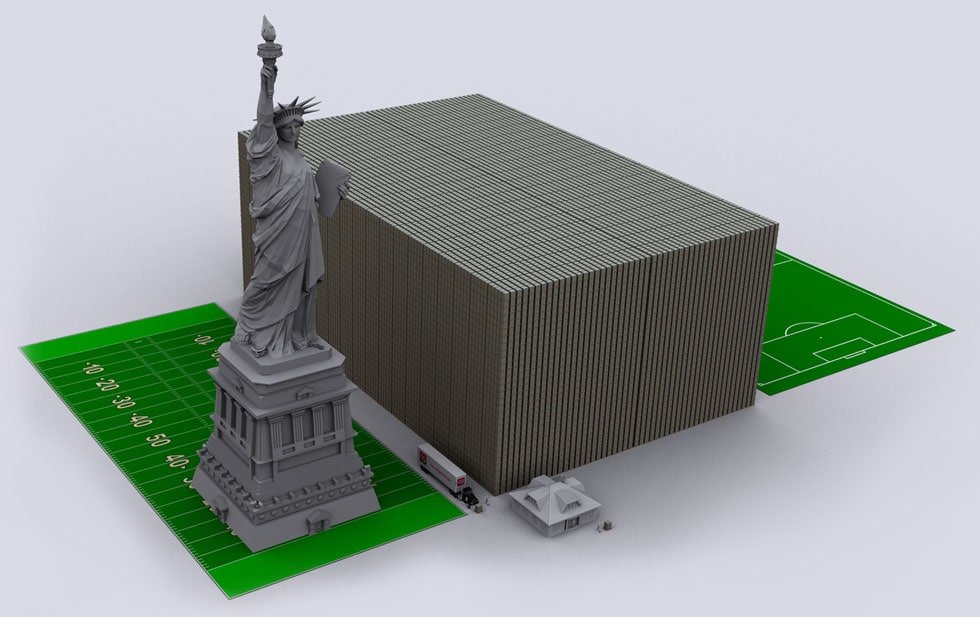
US debt problem visualized: Debt stacked in 100 dollar bills

This is a brilliant information design project, and an astounding reminder of the scale of money we talk about in public finance.

>> Link: US debt problem visualized: Debt stacked in 100 dollar bills.

Banking With the Dodgers

Got this flyer in the mail yesterday. Maybe the Dodgers should try opening their own checking account? Sure seems they could use the money.

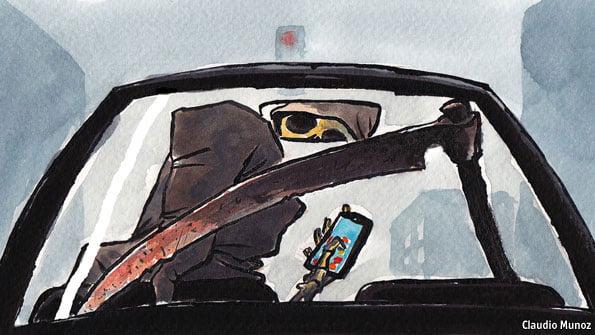
Distracted Driving: The New Drunk Driving

April is Distracted Driving Month. The Economist reports on the effects of cell phones on driving ability:

The human brain has to work harder to process language and communication with somebody who is not physically present.

Such distractions, according to one study, make drivers more collision-prone than having a blood-alcohol level of .08%, the legal limit in America. It appears to raise the risk of an accident by four times. Texting multiplies the risk by several times again.

This is striking. While research into the quantitative effects of distracted driving will surely continue to amaze us, we don’t need statistics to remind us to be safe while driving. Everyone let’s remember to pay attention to the road.

>> Read more: Car safety: Think before you speak | The Economist

America’s Deficit and the Debt Ceiling

The United States–its citizens and lawmakers–need to pay careful attention to the effects of our near-term actions. The outcome of not raising the debt ceiling is uncertain–nobody really knows what will happen. But the press is ablaze with information:


Visual Budget – an Interactive Guide to the Federal Budget

From Information Aesthetics:

Visual Budget is a cutting-edge data-visualization web site. It explains all the complicated ins and outs of the US Federal Budget using interactive charts and motion graphics. It is a tool that lets citizens like you and me understand this important issue, armed with the latest most comprehensive facts and figures. It brings a new breadth of knowledge to our political disc

>> Link: Visual Budget – an Interactive Guide to the Federal Budget by Higher Media — Kickstarter

Japan’s Post-Quake Nuclear Energy Troubles Explained

The Economist presents a thorough primer on what’s going on at Japan’s failed nuclear energy facilities–the science, technology, obstacles, crises, and solutions are all explained well. A good read if you want a high-level overview of the terrible situation there.

>> Link: The post-earthquake nuclear crisis: The Japan syndrome | The Economist

Proudly powered by WordPress
Theme: Esquire by Matthew Buchanan.