Cheerleader Effect: Why People Are More Beautiful in Groups
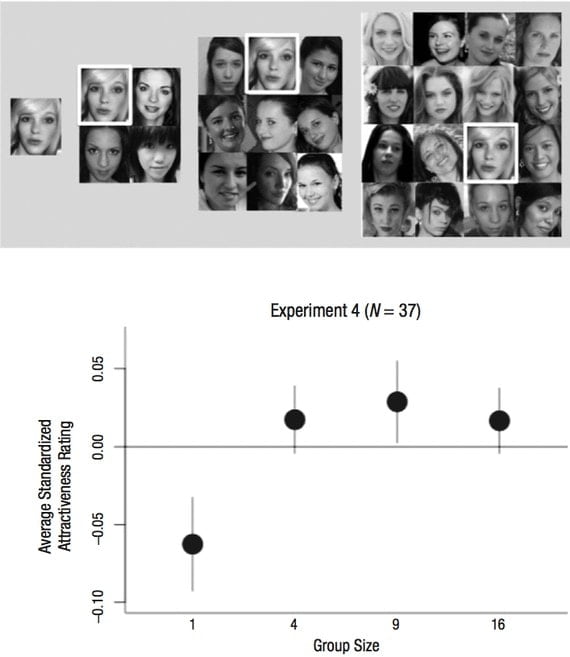
Laws of averages play out in unsuspecting ways, including attraction. >> Cheerleader Effect: Why People Are More Beautiful in Groups | The Atlantic
Laws of averages play out in unsuspecting ways, including attraction. >> Cheerleader Effect: Why People Are More Beautiful in Groups | The Atlantic

What management principle do airplane cockpits and operating rooms share? When it comes to managing risk from human error, specifically fixation or lack of awareness of a problem, both environments demand the “Two Challenge Rule.” >> Cockpit culture and using the…

What’s this face conveying? Weigh in on this and 19 more on the Greater Good Emotional Intelligence Quiz. >> Emotional Intelligence Quiz | Greater Good
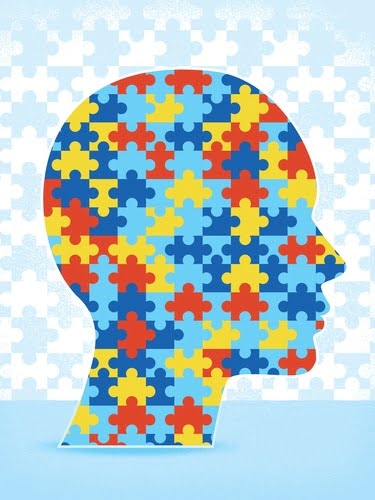
Don’t understand the acronyms? This has to do with federal research of mental health. It raises questions about the ways mental disorders are diagnosed. But moreover, it challenges they way medical professionals think about mental disorders. Unlike our definitions of…
NPR presents a report on a study that showed that most people underestimate the degree to which their personalities and values will change in the future. >> Read and listen: You Can’t See It, But You’ll Be A Different Person In…
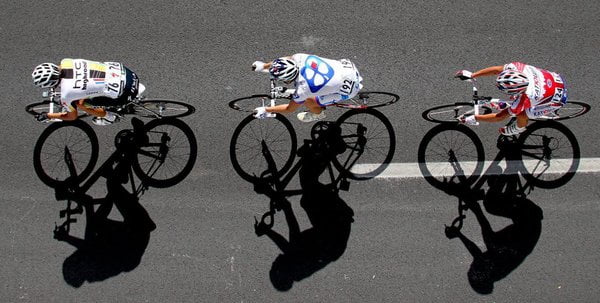
I’ve said before that the real difference between a lot of elite athletes–especially cyclists–is not in the muscles but in the mind. On a killer mountain, or a fast stretch, it’s your mind that often wants to back down first.…
From Information is Beautiful: a fascinating, fun, thought-provoking, and (yes) beautiful survey of beliefs about consciousness. Click and play! >> Play: What is Consciousness?
From the New York times a few years ago, a piece on how our attitudes about potential affect our potential: Those who believe they were born with all the smarts and gifts they’re ever going to have approach life with…
As always, Neil Strauss slices to the fascinating core of popular psychology. This time, as prelude to his forthcoming book, he writes in the Wall Street Journal about positive belief and superstardom: Before they were famous, many of the biggest pop…